







.jpg)
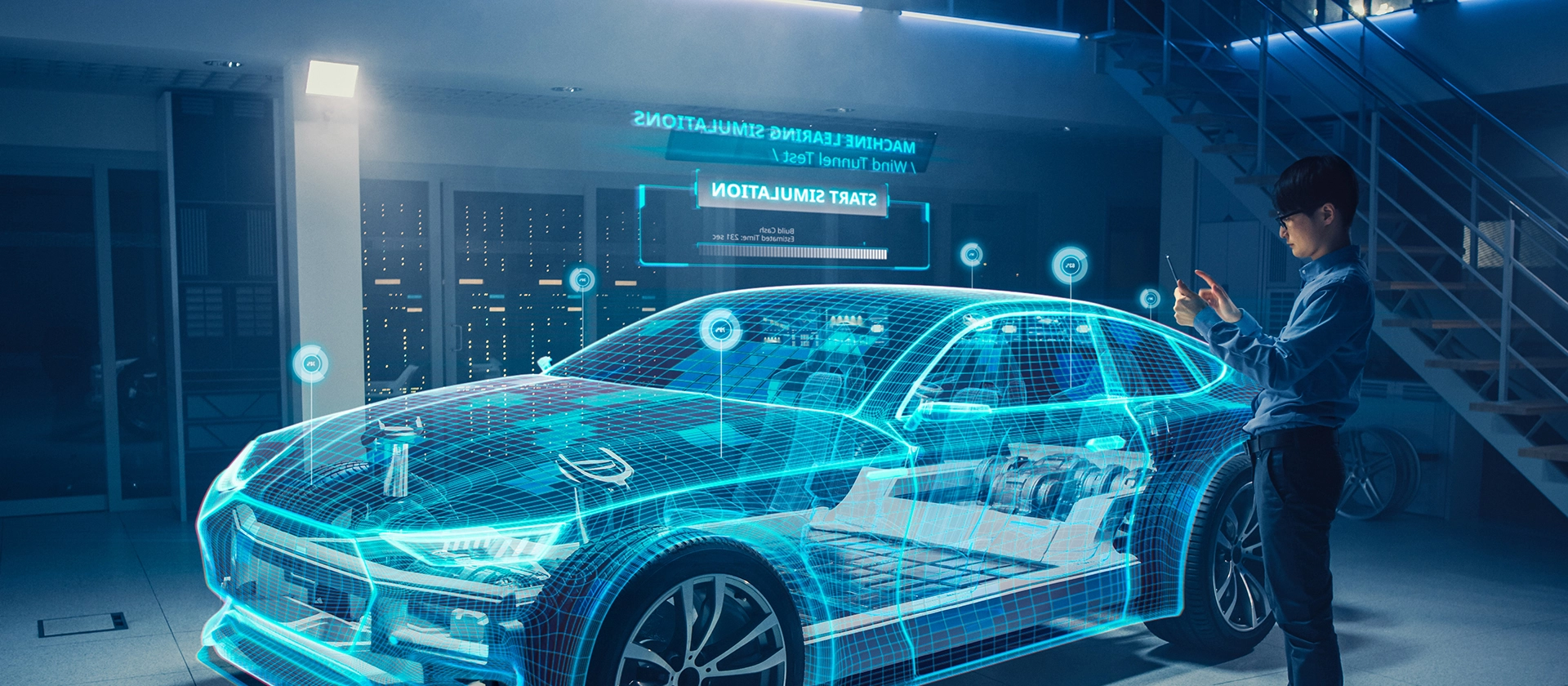

How software is redefining the vehicle
The automotive industry is undergoing the biggest transformation since the introduction of electronics in vehicles: future vehicles will be increasingly software-centred in order to obtain new or improved functions and applications even after purchase, while at the same time eliminating errors and safety gaps. This new type of vehicle is known as a ‘Software Defined Vehicle’ (SDV).
Our ‘SDV on Tour’ series of articles provides an overview of the four IT areas we have identified that are most affected by this change and at the same time crucial for a successful transformation:
- SDV.CLOUD
- SDV.ONBOARD
- SDV.OFFBOARD
- SDV.DEV
Following our launch with SDV.CLOUD, we are now focussing on the systems in the vehicle itself. In SDV.ONBOARD, we are observing the shift from classic, hardware-based E/E architectures to software-centred platforms. The core of this paradigm shift is the decoupling of software and hardware: instead of software that is written for specific hardware, modern architectures must offer a flexible platform on which software can be continuously further developed.
Do you have any questions?
.png "Guerrasio, Lorenzo")
Lorenzo Guerrasio
Lead Business Consultant
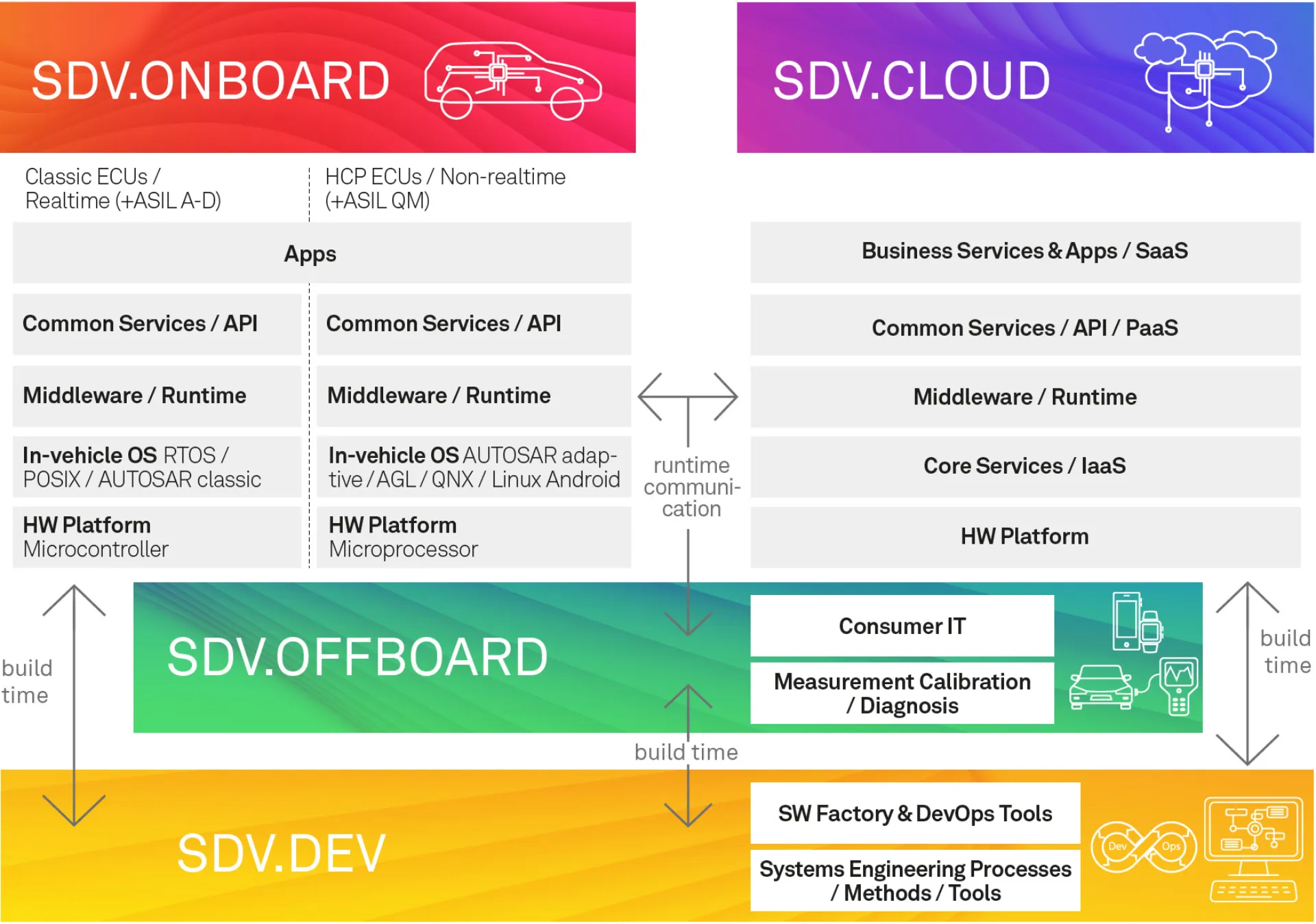
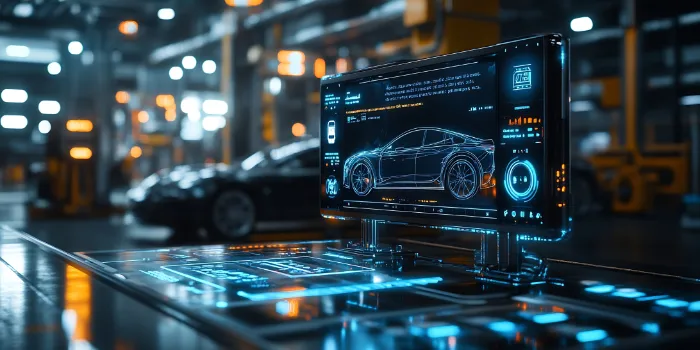
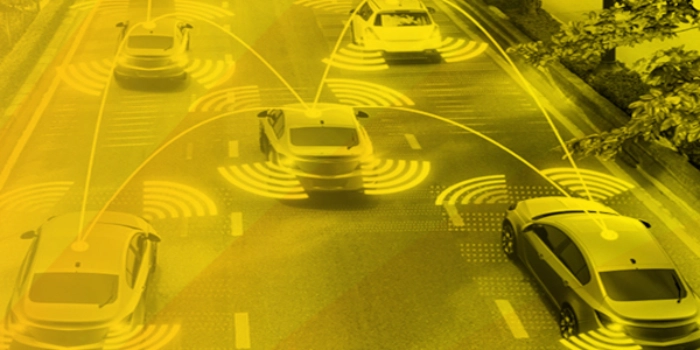
Illustration: SDV visualisation
Domain controllers change the software architecture in the vehicle
In this way, the use of so-called ‘functional domain controllers’, very powerful centralised computing elements, is a widespread architectural decision in modern vehicles. Instead of separate microcontrollers for each function, modern vehicles utilise powerful microprocessors (domain controllers). The software functions previously performed by many individual microcontrollers are now centralised and integrated.
The introduction of domain controllers has fundamentally changed the software landscape in the vehicle. In the past, resource-limited microcontrollers with OSEK operating systems and AUTOSAR Classic installations were standard.
Today, powerful central vehicle computers (High-performance Computing Platforms or In-Car Application Servers) work with POSIX operating systems such as Linux or QNX. These offer extended options such as virtual memory and access to a broad tooling and software ecosystem, which enables the use of frameworks such as ROS, Adaptive AUTOSAR or Android Automotive.
Connectivity as a bridge between vehicle and cloud
So-called zonal control units are also used in modern architectures. These communicate with the functional domain controller via short cable runs and take over local control functions. This not only significantly reduces the amount of cabling required, but also cuts material costs and considerably shortens response times in the network.
The connectivity module is a central element of the SDV architecture. As already explained in the article SDV.CLOUD, connecting the vehicle to a cloud is important in order to utilise the full potential of the software-centric vehicle and enable continuous updates throughout the vehicle life cycle. The connectivity module is the central key to seamlessly integrating the cloud world into the car.
These new architectures help to regulate the increasing demand for control units and simplify software stacks and the provision of functions. At the same time, they present car manufacturers with new challenges such as the high integration of systems, latency problems and the optimal arrangement of control units, actuators and sensors.
Other changes in SDV.Onboard include the increasing importance of faster network and communication technologies such as automotive Ethernet and the growing use of containerisation and service-oriented technologies.
The topic of cybersecurity has also strongly influenced SDV.Onboard: E2E onboard-encrypted communication and special hardware partitions such as HSM (Hardware Security Module) have been developed. Bundled with this topic, RUST is becoming increasingly popular as a programming language thanks to its good speed and safer memory handling compared to traditional C++.
msg for automotive focuses on the development and lifecycle management of key technologies such as Secure On-Board Communication (SOK) and Secure Service Oriented Architecture (sSOA). Our work on SDV standards contributes significantly to the consistent and high-quality development of onboard systems.
With our rapid prototyping service, we accelerate the realisation of embedded HW/SW components and IoT solutions. Our IT consulting and development services cover key areas such as HMI, infotainment and remote software updates and ensure the seamless integration of connectivity solutions such as V2X and 5G in connected cars.
Through operational coaching and consulting, we support onboard DevOps teams in efficiently implementing automotive processes to optimise quality and safety. We also promote the integration of cloud systems (SDV.CLOUD) into onboard technologies to enable intelligent, connected and future-proof mobility.
msg for automotive is paving the way for the next generation of vehicles - innovatively, efficiently and effectively.

Jun 16, 2025
Jun 16, 2025