




.jpg)
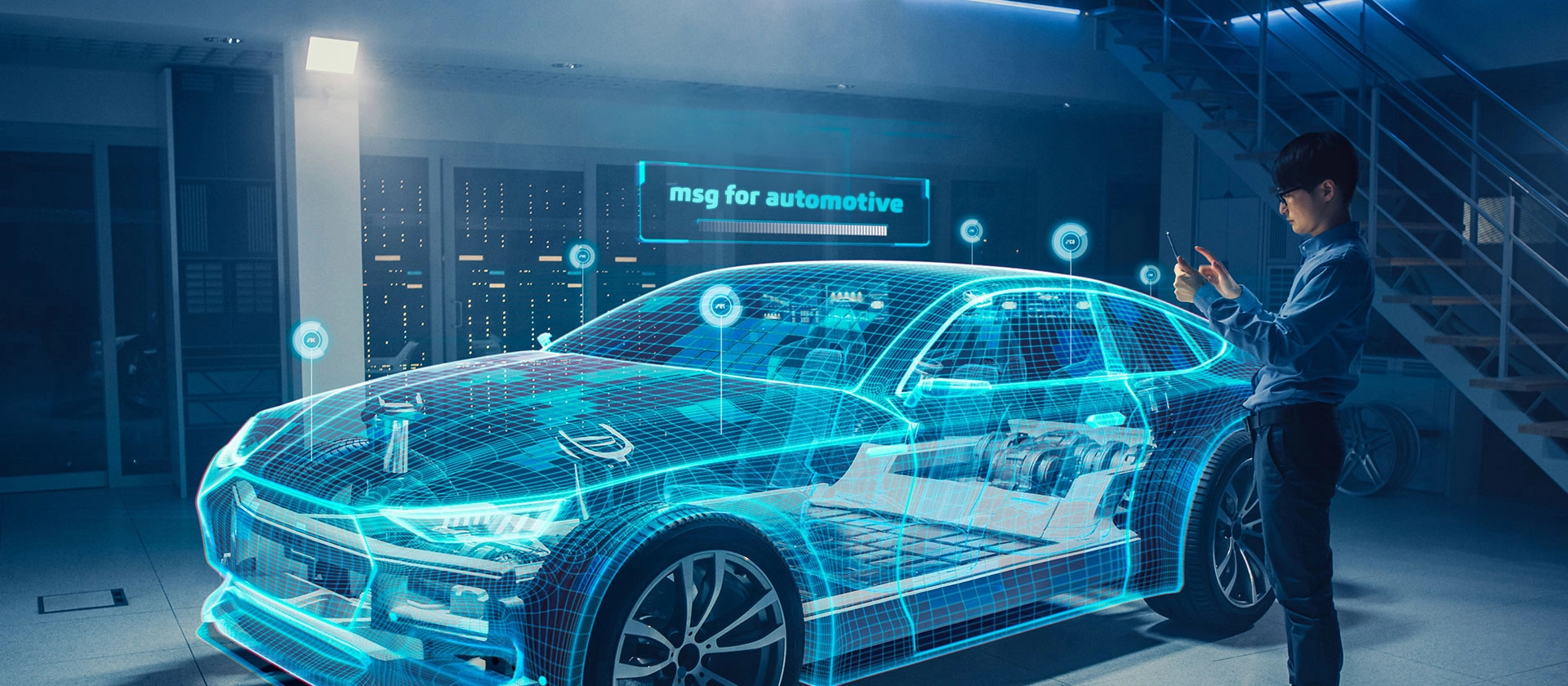

Automotive – An Industry in Change
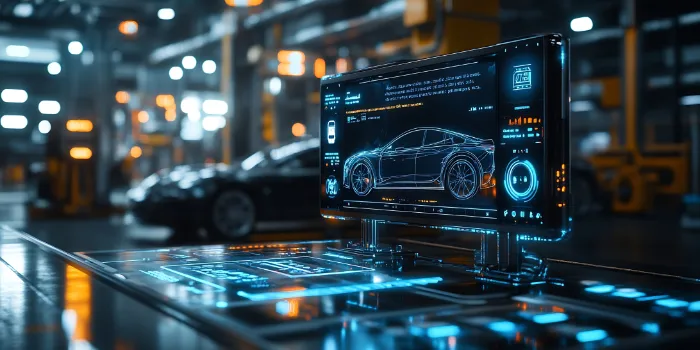
Digitalization, urbanization, sustainability and individualization are the driving forces behind automotive manufacturers and suppliers. Electric engines are becoming increasingly important while combustion engines are constantly being further developed. This requires a different way of thinking: Business models for the future have long since ceased to focus on the car alone – rather, they are about the networked mobility of tomorrow. Networking is becoming increasingly important in the automotive industry.
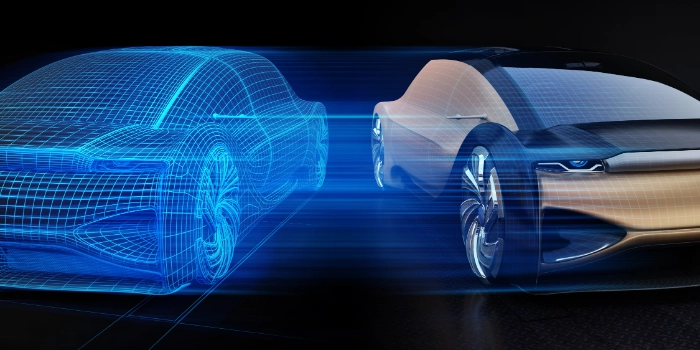
This is true for the networking of manufacturers and suppliers in terms of a transparent production network with Catena-X as well as for the product. A Software Defined Vehicle (SDV) will only bring its full potential to the road when transparent communication between infrastructure and people is possible. To successfully navigate this change, new strategies and innovative technologies are needed.
msg — your partner for transforming the mobility industry
With our in-depth automotive expertise, outstanding technological competence and practical transformation support, we support companies along the entire automotive value chain, from strategic realignment to operational implementation.
Whether we're developing digital platform solutions, optimising processes, or establishing future-oriented business models, our aim is to create sustainable and measurable added value.
msg for automotive stands for excellent technology and platform expertise, while msg mobility advisors complements this with comprehensive strategy and management consultancy.
Together, we are shaping the mobility of tomorrow: integrated, efficient and sustainable.







msg for automotive
msg for automotive GmbH is part of msg, an independent, internationally active group of companies with over 10.000 employees worldwide.
msg is represented in 34 countries and supports its customers in their digital transformation. Founded in 1980, the consulting and IT company's range of services includes strategic business consulting and end-to-end solutions for the automotive, banking, consumer products, food, healthcare, insurance, life sciences & chemicals, manufacturing, public sector, telecommunications, travel & logistics and utilities industries. The wide range of different industries and topics is covered by independent companies within the group. msg systems ag forms the core of the group.
Impressum
msg for automotive GmbH
Robert-Bürkle-Straße 1
85737 Ismaning
Geschäftsführung:
Katrin Aytepe
Martin Ober
Dr. Andreas Scholz
Handelsregister:
Amtsgericht München
HRB 295920
Contact
msg for automotive GmbH
Robert-Bürkle-Straße 1
85737 Ismaning
+49 89 96101-0
+49 89 96101-1113
automotive@msg.group